Kevin was born weighing an extraordinary 7 kilograms, making him a remarkable newborn whose size quickly attracted attention because ordinary baby clothes, diapers, and cribs barely fit him; as he grew up, his height and unusual beginning continued to draw curiosity, but with strong support from his family, Kevin learned to embrace what made him different, build confidence, and focus on his personality, relationships, work, and dreams rather than allowing his extraordinary birth to define his life.
READ EBLOW

Related Posts

My Dad Walked Back Into My Life After 14 Years With A Brand-New Car… But One Sentence Made Me Remember Who Had Actually Been There For Me… See more
After his biological father—who had abandoned him fourteen years prior—gifted him a brand-new car on his seventeenth birthday just to insult his stepfather with the phrase, “Now…

My Son’s Barber Whispered, “Check Behind His Ear”… Twenty Minutes Later, Two Police Cars Were Outside Our House… See more
When a new barber noticed a tiny, hard disc hidden behind nine-year-old Ethan’s ear, his mother discovered to her horror that a stranger—who claimed to know her…

I Thought Making The Bed Was Just Good Guest Etiquette, But Apparently, There’s A Better Way To Leave It
While whether to strip or make a bed at the end of a stay depends on your relationship with the host, the length of stay, and the…

An Adult Asked For A Kids’ Meal, What Happened Next Started A Bigger Debate Than Expected
A growing tension in restaurants over adults ordering from kids’ menus pits customers seeking smaller, budget-friendly portions against businesses managing profit margins—revealing that what seems like a…
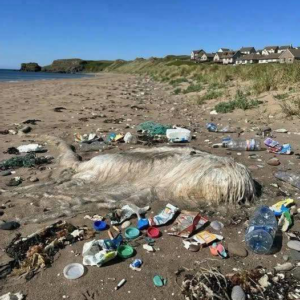
👀 I Was Walking Along The Shore With My Dog When I Suddenly Spotted Something Strange… I Had No Idea What I Was Looking At… See more
After a close encounter with a stranded ocean creature, a dog owner learned from a biologist that it was a lethal roughtail stingray whose venomous barb remains…
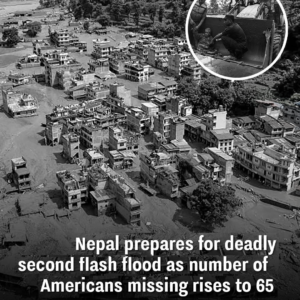
Nepal Braces For Another Possible Flash Flood As 65 Americans Remain Missing… See more
Following a catastrophic glacial collapse along the Nepal-China border that triggered massive inland “tsunami” flash floods, leaving 353 dead and nearly 1,500 people missing—including hundreds of international…