A confrontation at a Chevron Holiday gas station in Riverton, Utah, turned deadly Friday when 23-year-old Ofa’tangikivaha Angilau returned to the store carrying a shotgun after a clerk refused to sell him alcohol because he lacked identification. Officials said Angilau had initially become argumentative before leaving, then came back armed; an armed person inside the business shot him, and he later collapsed outside and died. Authorities clarified that Angilau did not fire shots inside the store and that the person who shot him was not a police officer or affiliated with law enforcement. No employees or customers were reported injured, and the shooter is cooperating with investigators as the circumstances remain under investigation…..READ BELOW

Related Posts

There’s A Button On Your Microwave That Many People Use Without Really Knowing What It’s Designed For
By cycling the magnetron on and off to allow heat to penetrate food gradually rather than blasting it at full strength, lower settings on your appliance prevent…

Here’s how to open a can in an emergency…See more
If you’re camping without a can opener, there are a few emergency ways to open a can using simple items. A sturdy spoon can puncture the lid…
Why Do Maple Syrup Bottles Have Tiny Handles?
That tiny handle on maple syrup bottles isn’t completely random—it’s a decorative throwback to the large loop handles on old ceramic syrup jugs. Modern bottles kept the…
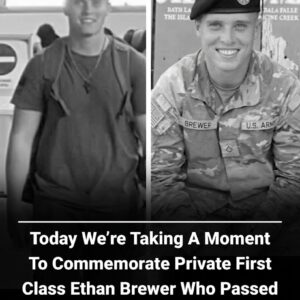
At Just 20, He Gave His Life Serving His Country
Pfc. Ethan Brewer of Apex, North Carolina, was only 20 when he died during a training exercise at Fort Hood, Texas. Brewer joined the U.S. Army in…
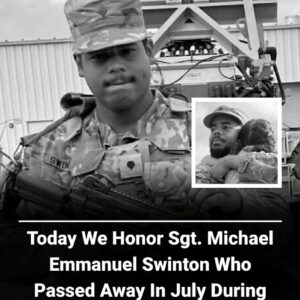
He Gave His Life Serving His Country at Just 30……
Sgt. Michael Emmanuel Swinton of Fayetteville, North Carolina, died on July 19, 2026, while serving in Iraq at age 30. He had served since 2017 with the…

Community Mourning After Little Girl Passes Away From Freak Accident In Palm Beach Florida
A Florida family is mourning the loss of a 3-year-old girl who became trapped in a wooden children’s play kitchen while visiting a babysitter’s home in Boynton…