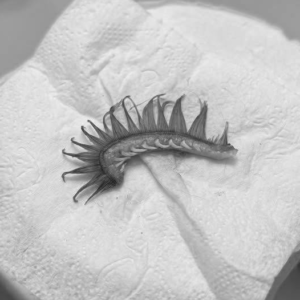
After a gentle rain, the garden comes alive with tiny signs of nature at work. Among the leaves and damp soil, a slug slowly glides across the ground. Many people barely give it a second glance, while others see it as nothing more than an unwelcome garden visitor. Yet beneath its simple appearance lies one of nature’s most fascinating and overlooked creatures.
Slugs have quietly contributed to healthy ecosystems for millions of years. They recycle organic matter, support countless wildlife species, and have even inspired breakthroughs in medicine and materials science. Although they rarely receive the admiration given to butterflies or birds, their impact on both the natural world and scientific research is surprisingly significant.
In this article, we’ll explore why slugs deserve far more appreciation than they usually receive, examining both their ecological importance and the remarkable ways they continue to influence modern science.
Although gardeners often view slugs as pests, they play a critical role in ecosystems by serving as a food source for birds, frogs, toads, hedgehogs, ground beetles, small mammals, and some reptiles. They also aid in transferring energy from decomposing organic matter to larger animals, contributing to a balanced ecosystem and supporting biodiversity.
Beyond their ecological importance, slug mucus possesses extraordinary physical and chemical properties, including flexibility, moisture retention, and adhesion. This has inspired medical research into bio-inspired adhesives for surgical procedures, wound closure, and tissue repair. Additionally, certain compounds in their mucus are being investigated for use in skincare products due to their potential for skin hydration and protection.
Finally, the relatively simple nervous systems of slugs make them valuable model organisms for neuroscience research. Scientists use them to study fundamental biological processes such as learning, memory formation, and neural communication, providing foundational insights into mechanisms shared across many living organisms. By performing these everyday tasks, slugs remind us that even seemingly simple animals play an essential role in nature’s functioning.