Using salt in your toilet is a simple household trick that may help with minor maintenance by loosening waste and buildup, reducing odors, and tackling some mineral deposits, especially in hard-water areas. The method involves pouring about a cup of salt into the bowl, letting it sit for around 15 minutes, scrubbing, and flushing. While inexpensive and easy to try, salt is not a substitute for proper toilet cleaner or professional plumbing help when there is a serious clog or plumbing problem.
READ BELOW

Related Posts

🧐 We Found This Stuck In Our Dog’s Fur And Honestly Had No Idea What We Were Looking At… See more
When a dog returned from a walk with a strange translucent shape tangled in his fur, his owners panicked over potential parasites and costly vet visits—revealing how…

I Never Understood Why So Many People Have This Until… See more
That small, round scar on many people’s upper arms is the result of the unique multi-puncture needle technique used for the smallpox vaccine, which left a lasting…

😳 My Daughter Ran Inside Crying So Hard She Couldn’t Even Speak, Then I Went Outside And Saw… See more
After a young girl ran inside terrified by a snake resting quietly in her yard, her parent safely kept everyone indoors and used the encounter to clear…

Michael J. Fox Honored With Bob Hope Humanitarian Award at Emmy Awards 2026 Amid Parkinson’s Battle
Michael J. Fox, 65, received the Bob Hope Humanitarian Award at the 2026 Emmys for his years of advocacy and fundraising for Parkinson’s research through the Michael…
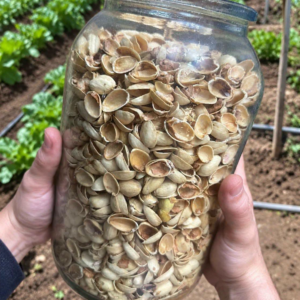
Before You Throw Away Those Pistachio Shells, You Might Want To See What People Are Using Them For… See more
Instead of being discarded as waste, crushed pistachio shells can be repurposed into a valuable garden resource that improves soil structure, enhances moisture retention, acts as a…

The Forged Reassurance: A Family Mystery Stamped in SilenceThe Forged Reassurance: A Family Mystery Stamped in Silence
At 17, I was left alone while my family vacationed in Canada, until a postcard arrived in my mom’s handwriting saying they had detoured to Vermont. I…