The household casebearer (Phereoeca uterella) is a small caterpillar that constructs and carries a portable, spindle-shaped shelter made of silk, sand, hair, and household debris, making it look like a piece of lint moving across walls. Commonly found in warm, humid indoor spaces such as bathrooms, bedrooms, and garages, these non-dangerous insects feed on spider webs, hair, wool, and organic dust before pupating into small, grayish moths. While seeing an occasional casebearer is harmless, frequent sightings often point to high humidity, accumulated lint, or hidden cobwebs, which can be easily managed by regular vacuuming, reducing indoor moisture, and removing potential food sources……

Related Posts

How to Pick a Sweet, Juicy Watermelon: Simple Clues to Check Before You Buy
To select a sweet, juicy watermelon, inspect key visual and physical clues that indicate full maturity and freshness. Look for a creamy or golden-yellow field spot rather…

Why Are Centipedes Showing Up in Your House? The Answer May Surprise You
Seeing centipedes in your home usually comes down to three main factors: moisture, shelter, and prey insects. Because centipedes are predators that prefer damp, dark spaces, they…
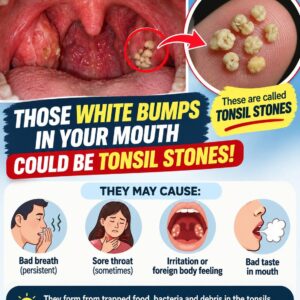
Tonsil Stones: Discover What They Are, How They Appear, and How to Get Rid of Them Forever
Tonsil stones, also called tonsilloliths, are usually harmless white, cream, or yellow deposits that form when food particles, bacteria, mucus, dead cells, and minerals become trapped and…
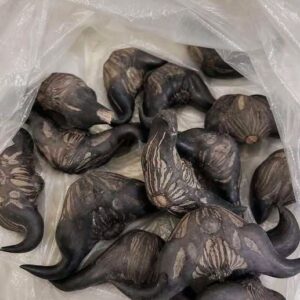
Doctors reveal that eating cashews causes
Cashews are often blamed for weight gain, kidney stones, or heart problems, but these claims are generally exaggerated; for most people, cashews are a nutritious food providing…

Which animal do you see first? Rabbit? Fish?
What animal did you notice first in this unusual visual puzzle—a rabbit, fish, or dog? According to this fun personality test, seeing a rabbit may suggest you…
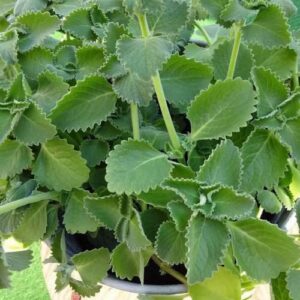
A Scientific Look at Oregano s Role in Supporting Wellness
Oregano is more than a popular Mediterranean seasoning—it contains bioactive compounds such as carvacrol and thymol, which have antioxidant, antimicrobial, anti-inflammatory, and potentially antiviral properties. Laboratory and…