In the fifth season of Clarkson’s Farm, Jeremy Clarkson shocked fans when he revealed he was diagnosed with an aggressive form of prostate cancer in 2025, but thanks to early detection via a blood test and prompt treatment, he officially went into remission. Clarkson shared that he underwent surgery alongside HIFU (High-Intensity Focused Ultrasound) therapy, which left no side effects, and he now undergoes regular monitoring due to a 40% chance of recurrence. He has used his story to encourage men to get tested early, while also making major lifestyle changes—such as walking more, eating a more vegetarian diet, and driving slower—to ensure he stays healthy to see his grandchildren grow up.
READ BELOW

Related Posts

I Thought Making The Bed Was Just Good Guest Etiquette, But Apparently, There’s A Better Way To Leave It
While whether to strip or make a bed at the end of a stay depends on your relationship with the host, the length of stay, and the…

An Adult Asked For A Kids’ Meal, What Happened Next Started A Bigger Debate Than Expected
A growing tension in restaurants over adults ordering from kids’ menus pits customers seeking smaller, budget-friendly portions against businesses managing profit margins—revealing that what seems like a…
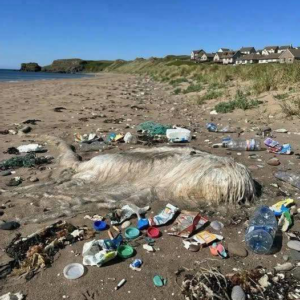
👀 I Was Walking Along The Shore With My Dog When I Suddenly Spotted Something Strange… I Had No Idea What I Was Looking At… See more
After a close encounter with a stranded ocean creature, a dog owner learned from a biologist that it was a lethal roughtail stingray whose venomous barb remains…

Nepal Braces For Another Possible Flash Flood As 65 Americans Remain Missing… See more
Following a catastrophic glacial collapse along the Nepal-China border that triggered massive inland “tsunami” flash floods, leaving 353 dead and nearly 1,500 people missing—including hundreds of international…

The iconic voice behind our entire childhood has officially fallen silent at 85… See more
The legendary Canadian voice actor whose commanding yet gentle baritone brought the iconic Autobot leader Optimus Prime to life for more than four decades, alongside beloved characters…

I Thought Someone Had Played A Cruel Prank, Until We Found Something Belonging To My Missing So… See more
Three years after their young son Mason vanished at a town festival, a grieving couple woke to find their swimming pool filled with his favorite water beads…