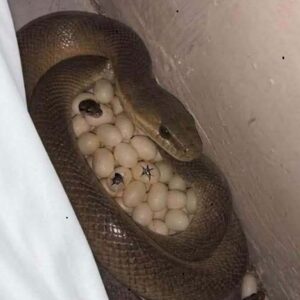
Starting with six total eggs provides the initial baseline for the logical puzzle.
Two eggs are broken open to prepare them for immediate cooking.
Those same two broken eggs are then placed in a pan and fried.
Finally, the exact same two fried eggs are consumed.
Because breaking, frying, and eating apply to the same items, actions are sequential rather than additive.
The logic assumes only one pair of eggs went through all three steps.
The remaining four eggs were never touched, cracked, or cooked during the process.
These four unused eggs remain completely whole and intact in their original state.
Avoiding double-counting clarifies how the initial count changes across each action.
Breaking down the sequence step by step confirms that four eggs ultimately remain.